|
<< Click to Display Table of Contents >> Cable main symbol |
  
|
|
<< Click to Display Table of Contents >> Cable main symbol |
|
Cables are typically inserted with a macro - the Cable macro - which inserts both main and help symbols. The main symbol defines the cable type with an index that refers to the Catalogue. Help symbols are primarily synonymous with cable core symbols. However, cable help symbols, which are not cable cores can also exist. A discussion about them is found in the cable help symbol topic.
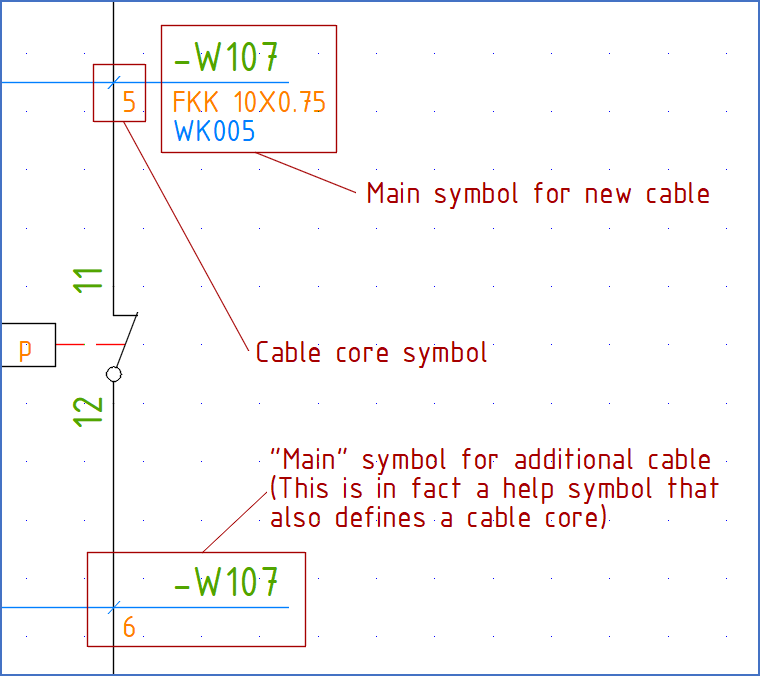
Figure 1206: Three symbols are used to form the standard cable markings in cadett ELSA circuit diagrams. A fourth temporary symbols is also involved in the process.
The figure above shows the three standard symbols that are used by the cable macro to form standard cable definitions in circuit diagrams.
Additionally, the cable macro uses a temporary main symbol during the insertion process. That symbol is automatically removed from the circuit diagram when the cable is ready, but it must contain all the attributes that will be used by the final main symbol, so that information can be transferred there.
The cable macro is configurable with a configuration file called MAC09.INI, which is located in the symbol library. For example, it is possible to adjust the positions of the attributes, without changing the symbols. However, if you have a need for additional user defined attributes in the cable symbols, the symbols must be replaced. That is also possible to do, using the same configuration file.
Creating your own user defined cable symbols from the standard symbols, can therefore be highly useful.
Creating cable symbols for other use cases without the cable macro being involved, is also possible.
An extensive example, which includes descriptions of a multitude of features, functions, and configurations, is presented here.
We assume a wish-list containing the items listed below.
•We want to have 2.5 mm text height for all cable information, instead of the mix between 2.5 and 1.8 mm that is used with the standard configuration.
•We want to add a few user defined attributes for additional cable information from the Catalogue:
oManufacturer
oType number
oName of algorithm
•We want information from the corresponding fields in the Catalogue to be automatically transferred to those attributes when a selection in the Catalogue is made. This will require a special configuration.
•We want these three attributes to be displayed below the cable type (electrical data) in the cable main symbol.
•We also want the cable type to be displayed in the additional cable symbol, together with the three user defined attributes that are listed above.
•To accomplish the latter, we will utilise the attribute mirroring feature, so that cable type, manufacturer, type number, and name of algorithm, are mirrored from the main symbol to the additional cable help symbol. How that is done, will be described further down the road.
The text height issue will be handled with the configuration file. We will come back to that later.
We must decide which attribute names to use for the three additional attributes that will be added. Since the information will be fetched from the Catalogue, we can check the names of the corresponding database fields in the Catalogue, and use them. Not because we must, but because we can. Having multiple names for the same thing in most cases brings confusion, so we want to avoid that.
We find the following field names when checking the Catalogue topic:
•LIEFERANT (manufacturer, KT database table)
•TYPE (type number, KT database table)
•ALGONAME (name of algorithm, AL database table)
Four standard symbols are used by the cable macro. They are described by the table below.
Symbol use |
Name of standard symbol |
|---|---|
Temporary main symbol for inserting cable data |
LKABHBT |
Main symbol for new cable |
LKABHBTK |
"Main" symbol for additional cable |
LKABHHBT |
Cable core symbol |
LKABHIBT |
To fulfil the wishes that were defined above, user defined customised versions of the three first of these must be created. The cable core symbol is however not affected.
Not to cause more confusion than necessary, we decide to name our user defined cable symbols similarly to the standard symbols, only replacing the first "L" with an "U".
We start by manually inserting the LKABHBT symbol using the INSERT command and typing the symbol name. The symbol is everything but overwhelming. The only thing that we will initially see besides from the item designation, is a slanted light blue line, as shown in the figure below.
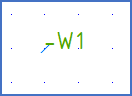
Figure 1207: LKABHBT manually inserted
We use the Symbol generator: 3. Edit command to start editing the symbol.
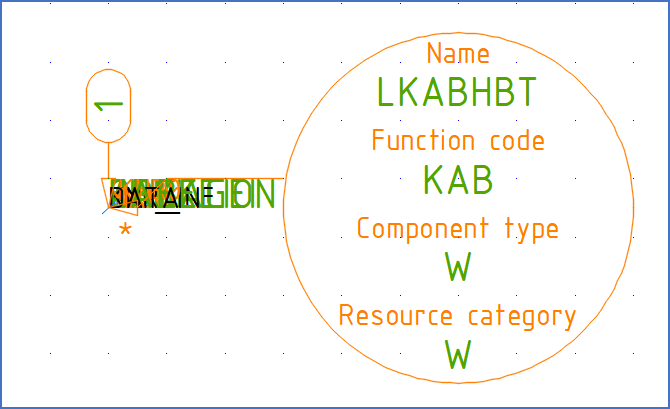
Figure 1208: The attributes of the standard symbol are not organised in the most lucid way imaginable.
We adjust the name according to the plan outlined above and then move the attributes so that they are easier to handle than they are originally, as shown in the figure above. To be honest, from start it is almost impossible to distinguish them.
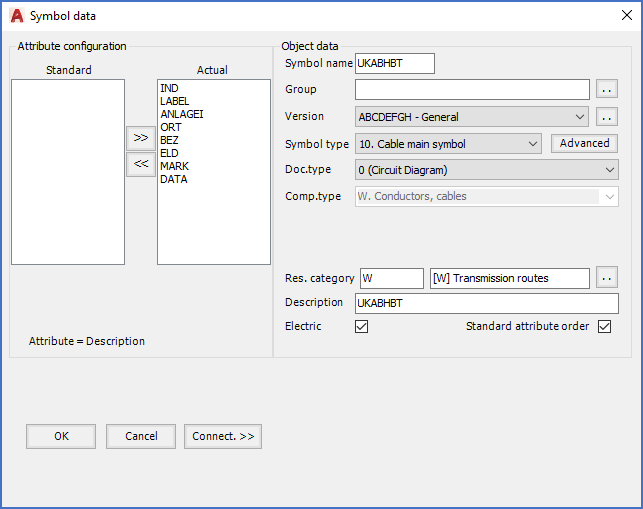
Figure 1209: Name and description have been adjusted.
The figure above shows how the name and the description has been adjusted. The figure below shows how the attributes have been reorganised for better visibility.
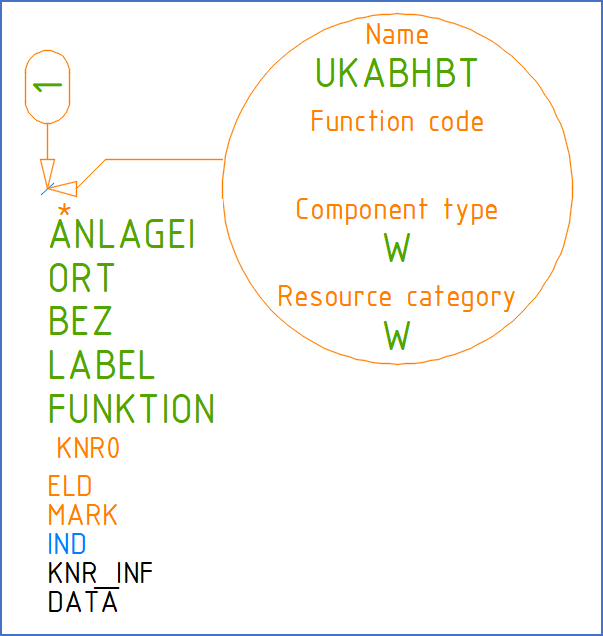
Figure 1210: The attributes have been moved to create better visibility, thereby making further editing easier.
Next step is to add the three additional attributes that we need. An easy way of doing that is to first copy one of the already existing attributes, and then adjust the copies as needed. We choose to copy the ELD attribute three times, and then adjust the names and prompts of the copies.
We use the COPY command to copy, and double-click the copies to make the adjustments.
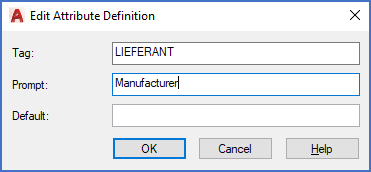
Figure 1211: The first copied "ELD" attribute is renamed to "LIEFERANT" to accomodate the name of the Manufacturer.
The figure below shows the result when all three new attributes are in place with their new names.
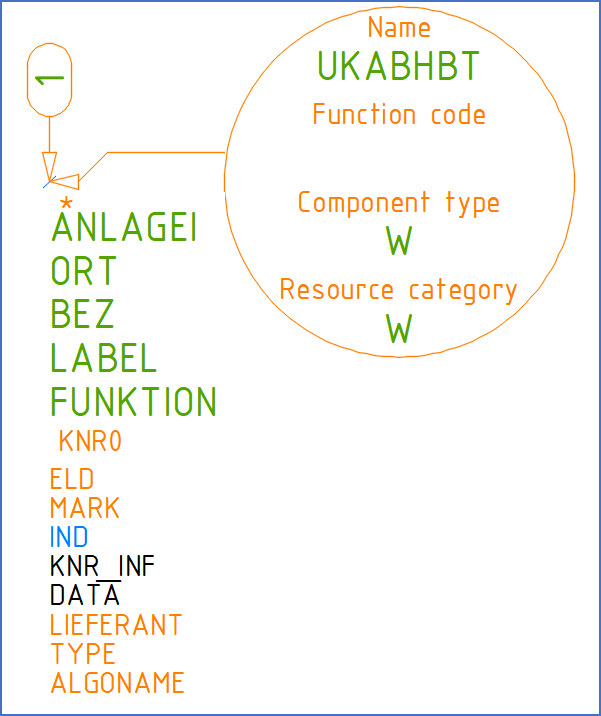
Figure 1212: Three new attributes - LIEFERANT, TYPE, and ALGONAME - are in place.
Since this is a temporary symbol that will never be visible in the circuit diagram, we do not have to consider the look. Sizes and positions of the attributes do therefore not matter.
We save the new symbol with the Symbol generator: 2. Save command.
It is then time to repeat this process for the remaining two symbols. They need a similar modification. However, for them, the sizes and positions of the attributes do matter, since these symbols will be left visible in the circuit diagram. The final sizes and positions of the standard attributes, the ones that are visible in the standard symbols, are controlled by the configuration file (MAC09.INI). User defined attributes, however, cannot be controlled that way. Therefore, we must give them the desired properties directly in the symbols.
To make it as easy for ourselves as possible, we can place all attributes in the positions that we want them to be in the end, and also to adjust sizes and layers so that everything matches our expectations.
We insert LKABHBTK manually. as shown in the figure below.
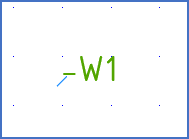
Figure 1213: "LKABHBTK" has been inserted manually.
We start editing using the Symbol generator: 3. Edit command.
The figure below shows how that initially will look. It is a mess!
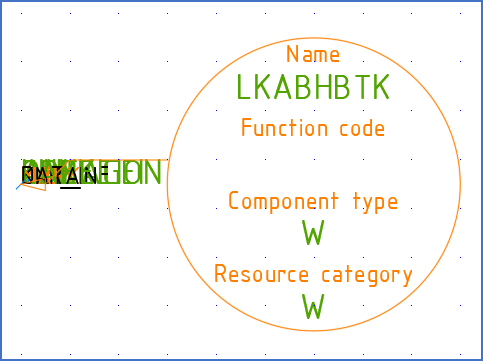
Figure 1214: The "LKABHBTK" is a mess when the editing starts.
We adjust name and description, move the attributes around, and create the needed new attributes in the same way as we did for the previous symbol. It might then look something like in the figure below.
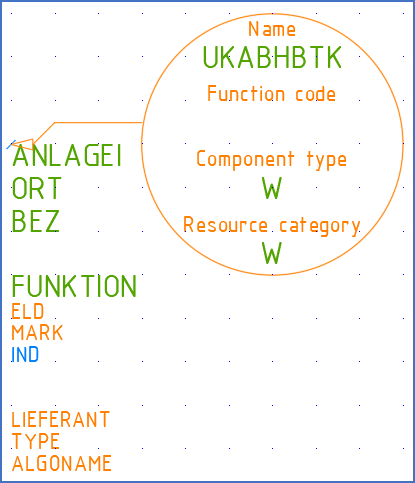
Figure 1215: The attributes have been moved around so that they are no longer on top of each other. New attributes have also been created.
Since this symbol will be visible, we must thereafter make sure that the positions and sizes of the attributes are as we wish them to be. Some of the attributes are normally invisible. Therefore, we do not need to take their positions into account, and we can place them further away so that they do not interfere with the visible attributes.
After making all these adjustments, taking our original wish-list into account, we will perhaps have something looking like in the figure below. (This means that ELD has been given a new text height, namely 2.5 mm instead of the original 1.8 mm).
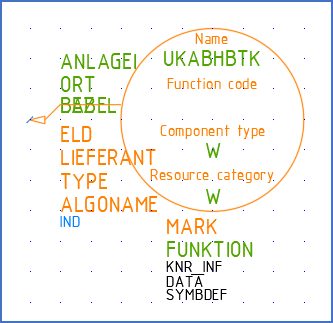
Figure 1216: All visible attributes have been adjusted as they are supposed to be in the circuit diagrams, while invisible attributes have been put aside.
Before we save the symbol, we take notes of the positions of the standard attributes relative to the insertion point, so that we can make the proper configurations in MAC09.INI. The DIST command in combination with the INSertion point object snap is a useful tool for that purpose.
The result of that investigation, in the case shown in the figure above, will be as described in the table below.
Attribute |
X |
Y |
Size |
|---|---|---|---|
ANLAGEI |
5.0 |
8.75 |
2.5 |
ORT |
5.0 |
5.0 |
2.5 |
BEZ |
5.0 |
1.25 |
2.5 |
ELD |
5.0 |
-3.75 |
2.5 |
IND |
5.0 |
-17.5 |
2.5 |
All other attributes are either not standard, or normally invisible, and can therefore be ignored in this respect.
We save the symbol using the Symbol generator: 2. Save command, and then continue with the next symbol, which is LKABHHBT.
Please note that the LKABHHBT is a help symbol, which will therefore not be subject to automatic item designation generation, thus being graphically even less impressive when inserted. It will look as shown in the figure below.

Figure 1217: "LKABHHBT"
We start editing in the same way as described above for other symbols, using the Symbol generator: 3. Edit command. We first rearrange the attributes so that they do not interfere with each other.
The symbol will then perhaps look like what is shown in the figure below.
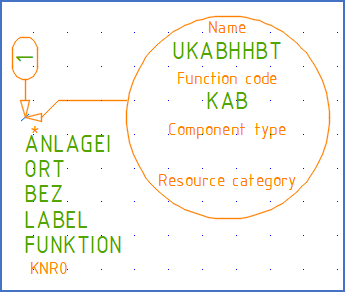
Figure 1218: LKABHHBT has been renamed and the attribute positions have been adjusted for better visibility.
Here, we do not only need new attributes for manufacturer, type number, and numbering algorithm, but also electrical data to be able to present the cable type. Therefore, we need a total of four new attributes. We therefore copy KNR0 four times, thereby having no less than five such attributes, as shown in the figure below.
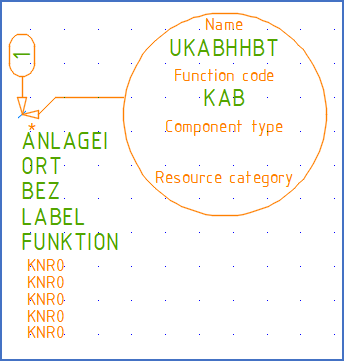
Figure 1219: Here, we need four new attributes. Therefore, KNR0 has been copied four times.
After creating the four copies, we go through them one by one, and adjust attribute names and prompts, as shown in the figure below.
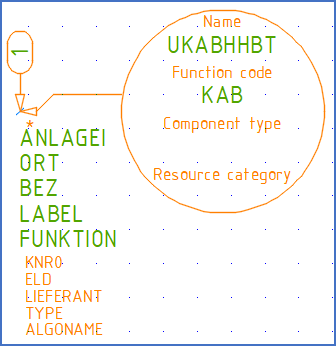
Figure 1220: The four new attributes have been given their proper names. Please note the electrical data attribute called "ELD".
Next, we have to adjust positions and sizes of all user defined attributes. To make it possible to determine the best choices, it is a good idea to first place the standard attributes in the positions that they will end up in as a result of the configuration in MAC09.INI. The notes that we made for the main symbol above will therefore be useful. We place these attributes in identical positions.
After doing all these adjustments, we end up with something similar to what is shown in the figure below.
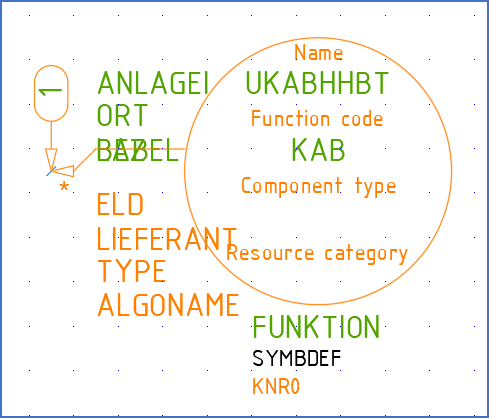
Figure 1221: All visible attributes are placed as they will finally end up. Invisible attributes are placed aside.
Finally, we save the symbol using the Symbol generator: 2. Save command.
When we have went through all the steps described above, we will have three new symbols:
•UKABHBT = temporary main
•UKABHBTK = permanent main (new)
•UKABHHBT = "main" help (addition)
The next step is to reconfigure the cable macro to use the three new user defined symbols instead of the ordinary standard symbols. To accomplish that, we open the MAC09.INI configuration file using Notepad. We find that file in the current symbol library (\ELSA\SYMBOLE\IEC1082 or similar).
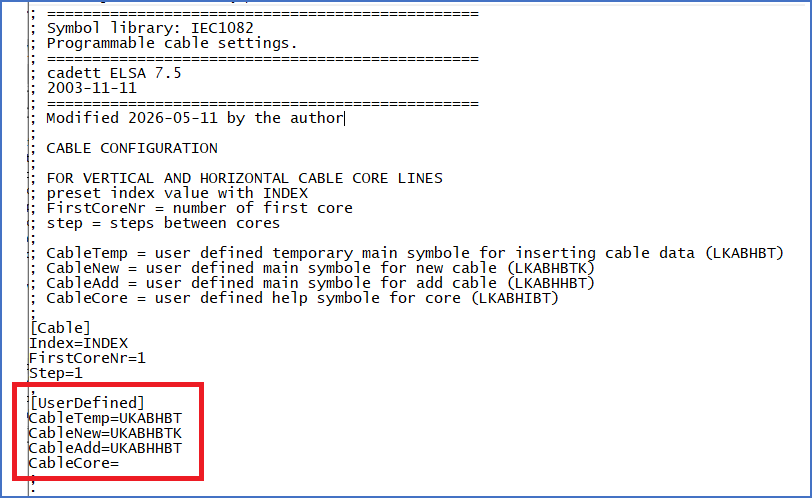
Figure 1222: In the "UserDefined" section, the "CableTemp", "CableNew", and "CableAdd" keys are given new values.
We have adjusted both positions and sizes of some standard attributes. That should also be reflected in the configuration file.
Please note that MAC09.INI has separate sections for vertical and horizontal lines, and for main and cable core symbols. This will give a total of four sections to consider, as listed below.
•Vertical lines, main symbol
•Vertical lines, cable core symbol
•Horizontal lines, main symbol
•Horizontal lines, cable core symbol
We choose to keep 1.8 mm text height for cable core numbers. Therefore, we do not need to adjust the cable cores at all. That leaves us with two sections to consider, namely main symbols for vertical and horizontal lines.
The figure below shows the configurations needed for vertical lines. Exactly the same configurations must be made for horizontal lines as well.
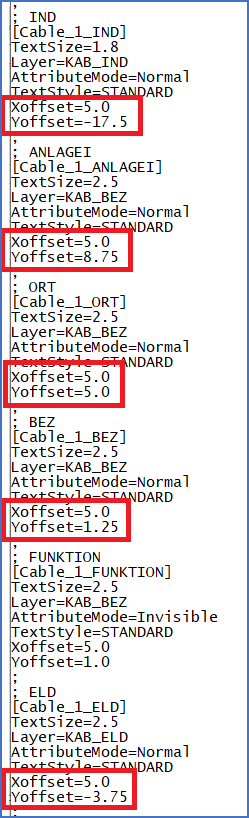
Figure 1223: Standard attributes for vertical lines have been given new positions. These configurations must be made for horizontal lines separately.
The same adjustments can be made for both vertical and horizontal lines.
The next step is to activate attribute mirroring for the standard electrical data attribute (ELD), which will enable automatic display of the cable type for additional cable cores. When doing so, we will also activate attribute mirroring for our three user defined attributes, namely LIEFERANT, TYPE and ALGONAME.
Attribute mirroring is controlled by the Project parameters, and more specifically by the parameters in the Mirrored attributes tab, as shown in the figure below.
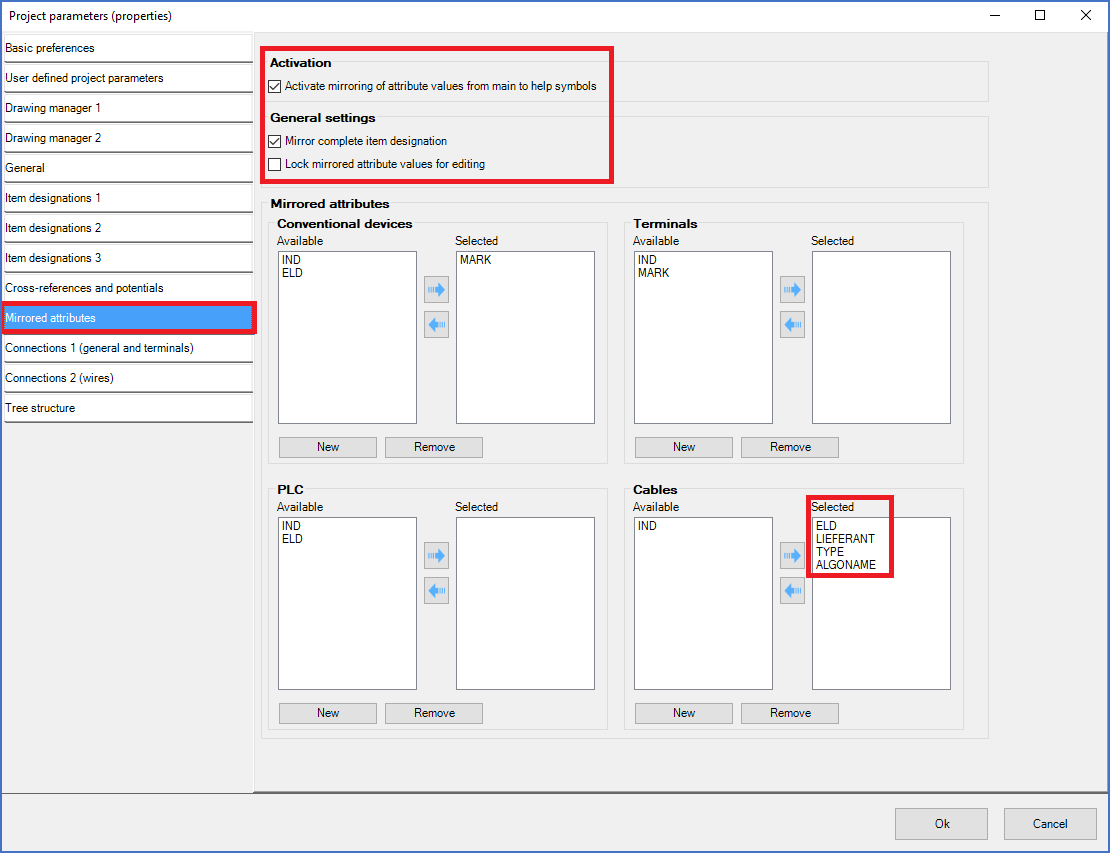
Figure 1224: Project parameters for attribute mirroring of electrical data. manufacturer, type number, and numbering algorithm.
Attribute mirroring in general must of course be active, and the relevant attributes must be selected for cables. Please refer to the figure above.
The final step will be to configure automatic transfer of Catalogue data for the three user defined attributes when a selection is made in the Catalogue. That configuration is done in a database file called INSDTA.DBF, which is found in the \ELSA\SYSTEM folder on the server.
A suitable database editor is needed for that operation. DBFview Plus is one example of such an editor. It can be downloaded for free from the internet. Please note that Microsoft Excel is not a suitable database editor. Even if it indeed can be used to edit database files, it will also corrupt them leading to a complete destruction. Beware of that!
Two kinds of changes are needed in INSDTA.DBF to achieve the goals that we have set for ourselves in this example. We need to adjust a field length, and we need to add three new records.
The attribute field (ATTRNAME) must be long enough to accommodate both LIEFERANT (9 characters) and ALGONAME (8 characters). Since the original maximum length for that field is only 7 characters, an adjustment may be needed, if such an adjustment has not already been made.
We set the field length to 12 characters instead of the original 7.

Figure 1225: The field length of "ATTRNAME" is extended.
How the field is adjusted is shown in the figure above. The resulting database structure is shown in the figure below.
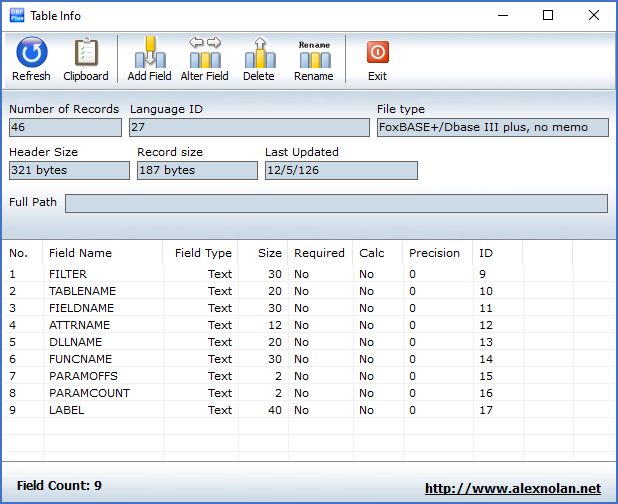
Figure 1226: The resulting database structure of "INSDTA.DBF"
Next, the three attributes are connected to the corresponding fields in the Catalogue databases. As is described in the Catalogue topic, LIEFERANT and TYPE are found in the main table called KT, while ALGONAME is found in a related table called AL.
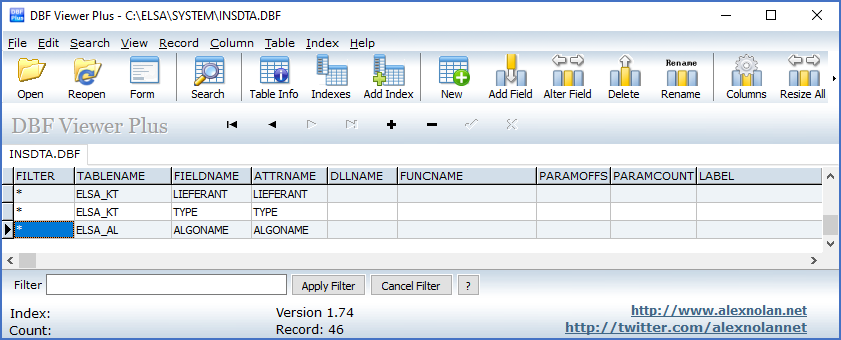
Figure 1227: The three user defined attributes in this example are added to the database.
The figure above shows how three records have been added to INSDTA.DBF for our three user defined attributes.
When INSDTA.DBF has been edited and the changes have been saved, the corresponding index file - INSDTA.CDX - must be deleted in order to force a re-indexing of the database.
We restart cadett ELSA for all changes to take effect, and then test the new functionality.
We make sure that we have a cable in the Catalogue where all involved fields are defined, as shown below, where we have added some test data.
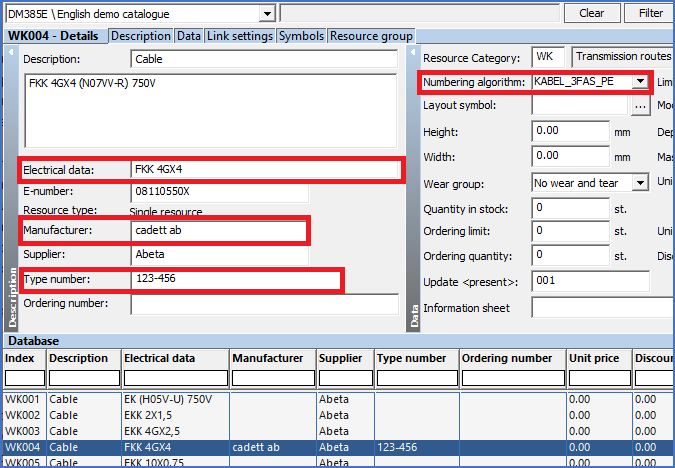
Figure 1228: Some additional test data has been added to "WK004" for the test.
We can then draw four lines, two plus two, and first insert a cable main symbol using the New option of the cable macro. When doing so, we select the WK004 cable from the Catalogue. The result will be as shown in the figure below.
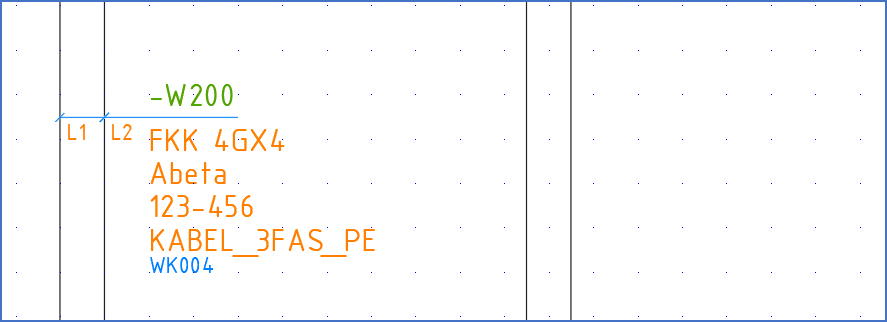
Figure 1229: A cable symbol has been inserted with the "New" option. Please note the added user defined attributes, with their content.
The sizes and the positions of the attributes will follow our configurations in the user defined cable symbols and in the MAC09.INI configuration file, as shown in the figure above. Additionally, data has been transferred automatically from the Catalogue.
Next, we test the Add option, and thereby draw two additional cable cores for the same cable, as shown in the figure below.
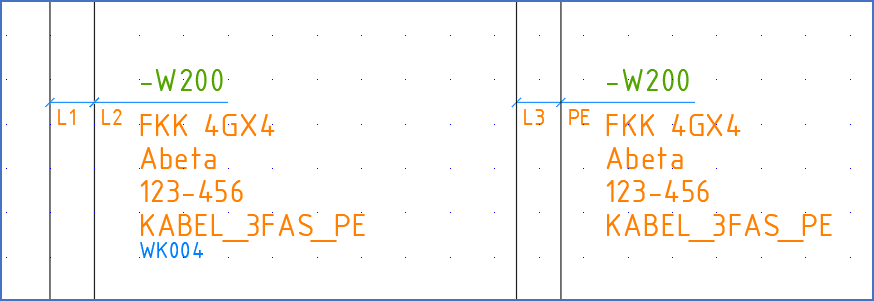
Figure 1230: An additional cable symbol has been inserted, this one with the "Add" option. Please note the effetcs of all configurations that have been made.
Not only has the electrical data been made visible in the additional cable symbol to the right in the figure above, but our three user defined attributes have as well.
The example that was described above contain several items that might be used separately and independently. Please feel free to use only the parts that are applicable for your own needs and configurations.